narratives on global warming
  • humans
    • migration
    • spirituality
    • climate fiction (cli-fi)
      • conspiracy theories
    • tourism
    • eco prepping
    • popular culture
  • science
    • global warming
    • glacial archaeology
    • CO2
    • scientists
    • research institutions
    • monitoring
    • scenarios
  • visual
    • culture
    • photography
      • comparative photography
    • documentaries
  • legal
    • regulations
    • disobedience
    • lawsuits
  • political
    • summits
    • agreements
    • ideologies
      • eco-feminism
      • eco-terrorism
    • greenwashing
      • brands
      • cosmetics
    • wars
  • boycott
  • activism
    • movements
    • events
  • archives
    • air
    • visual archives
  • index
    • external references
    • archive (categories)
    • timeline (tags)
    • glossary
narratives on global warming
  • humans
    • migration
    • spirituality
    • climate fiction (cli-fi)
      • conspiracy theories
    • tourism
    • eco prepping
    • popular culture
  • science
    • global warming
    • glacial archaeology
    • CO2
    • scientists
    • research institutions
    • monitoring
    • scenarios
  • visual
    • culture
    • photography
      • comparative photography
    • documentaries
  • legal
    • regulations
    • disobedience
    • lawsuits
  • political
    • summits
    • agreements
    • ideologies
      • eco-feminism
      • eco-terrorism
    • greenwashing
      • brands
      • cosmetics
    • wars
  • boycott
  • activism
    • movements
    • events
  • archives
    • air
    • visual archives
  • index
    • external references
    • archive (categories)
    • timeline (tags)
    • glossary

Cape Grim Air Archive

1978.07.04.
  • air
  • archives
  • science

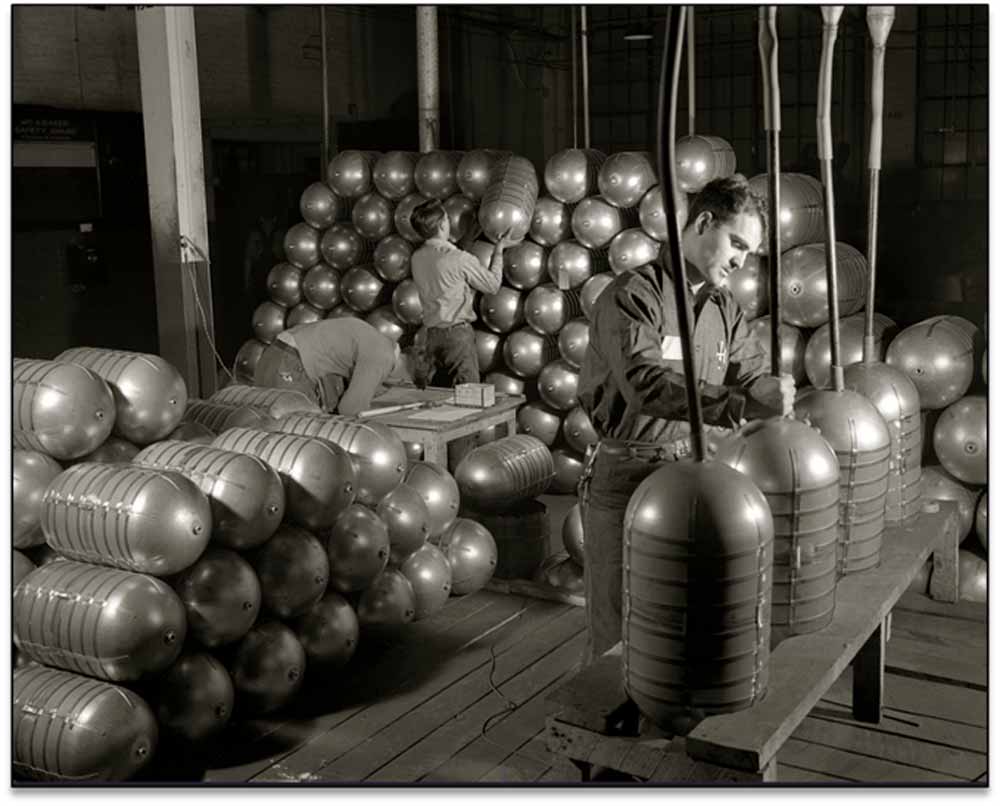
Shortly after establishment of the Cape Grim Baseline Air Pollution Station in 1976, researchers started setting aside air from the site to preserve a record of atmospheric composition. This would make possible the future reconstruction of atmospheric histories of trace gases and isotopes that had not been previously measured or were yet to be discovered, or to better define records of previously measured species using improved analytical techniques.
The first Cape Grim Air Archive (CGAA) sample was collected on April 26, 1978. Regular sampling has continued ever since with typically 4-6 cylinders filled each year. At present there are about 170 CGAA cylinders in storage and available for future analyses.
Tags:
1978
Prev
The National Snow and Ice Data Center
Next
On the Trail of the Glaciers