Climate change asylum

GENEVA (21 January 2020) – In its first ruling on a complaint by an individual seeking asylum from the effects of climate change, the UN Human Rights Committee* has stated that countries may not deport individuals who face climate change-induced conditions that violate the right to life.
In 2015, Ioane Teitiota’s asylum application in New Zealand was denied, and he was deported with his wife and children to his home country of Kiribati. He filed a complaint to the UN Human Rights Committee, arguing that by deporting him, New Zealand had violated his right to life. Mr. Teitiota argued that the rise in sea level and other effects of climate change had rendered Kiribati uninhabitable for all its residents. Violent land disputes occurred because habitable land was becoming increasingly scarce. Environmental degradation made subsistence farming difficult, and the freshwater supply was contaminated by salt water.

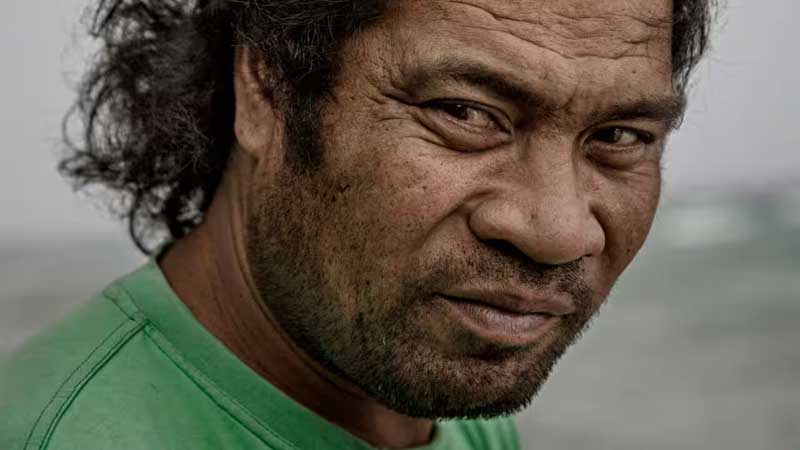
Ioane Teitiota, the worlds first climate refugee

Climate change asylum

This OHCHR press release summarizes the UN Human Rights Committee’s decision in Teitiota v. New Zealand, noting that states may have non-refoulement obligations where climate-change impacts threaten the right to life and that future climate-related asylum claims may succeed under certain conditions.

  • Source: OHCHR – press release (Teitiota v. New Zealand)
  • Type: UN human rights press release / climate-asylum precedent
  • Accessed: 15 January 2026

Archived

Tags:
2020