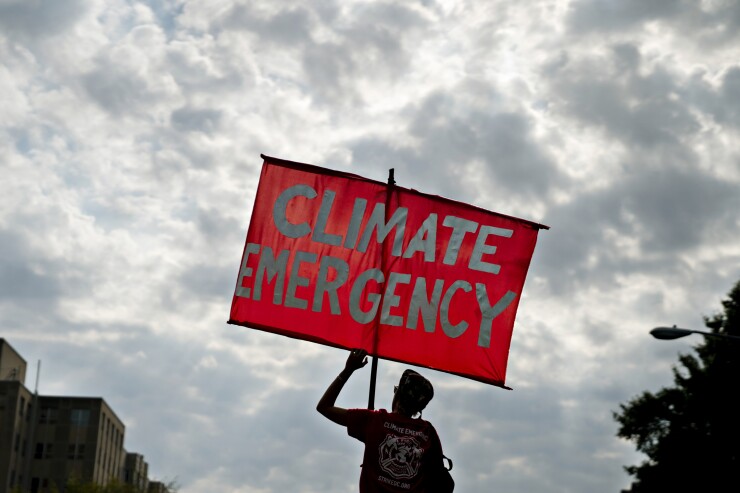
We can no longer avoid the complex effects of climate change. Our capacity to respond is further weakened by the proliferation of competing narratives and by the absence of any single, comprehensive solution. Public discourse remains shaped by confusing and frequently manipulative debates about the causes of the catastrophe, particularly over whether it is primarily anthropogenic.
This confusion worsens the crisis.
Within the post-truth media environment, we are surrounded by an extensive and entangled network of narratives. Its complexity produces anxiety, paralysis and a sense of helplessness. To help survey and organise these narratives, and to extract cumulative academic knowledge from reliable sources, trained OpenAI agents have been used as research tools intended to counter some of the biases and distortions of the disinformation era.
Despite the scientific consensus concerning human influence on the climate system, climate denial continues to persist in both explicit and implicit forms. Explicit denial rejects or misrepresents established evidence. Implicit denial may formally acknowledge the scientific consensus while failing to translate that acknowledgement into meaningful action.
Beyond the question of how societies might adapt to the approaching catastrophe, we must therefore examine the origins, intentions and consequences of the narratives through which climate change is understood. We must distinguish evidence-based knowledge from manipulation, decide which positions demand action, and act upon them—preferably through collective rather than merely individual responses.
This is what the archive seeks to activate. It provides a critical context and a research framework for the objects, narratives and subjects presented within the exhibition project The Sunshine Find.